On Venezuela Modi Government Plays It Safe, Avoids Angering America
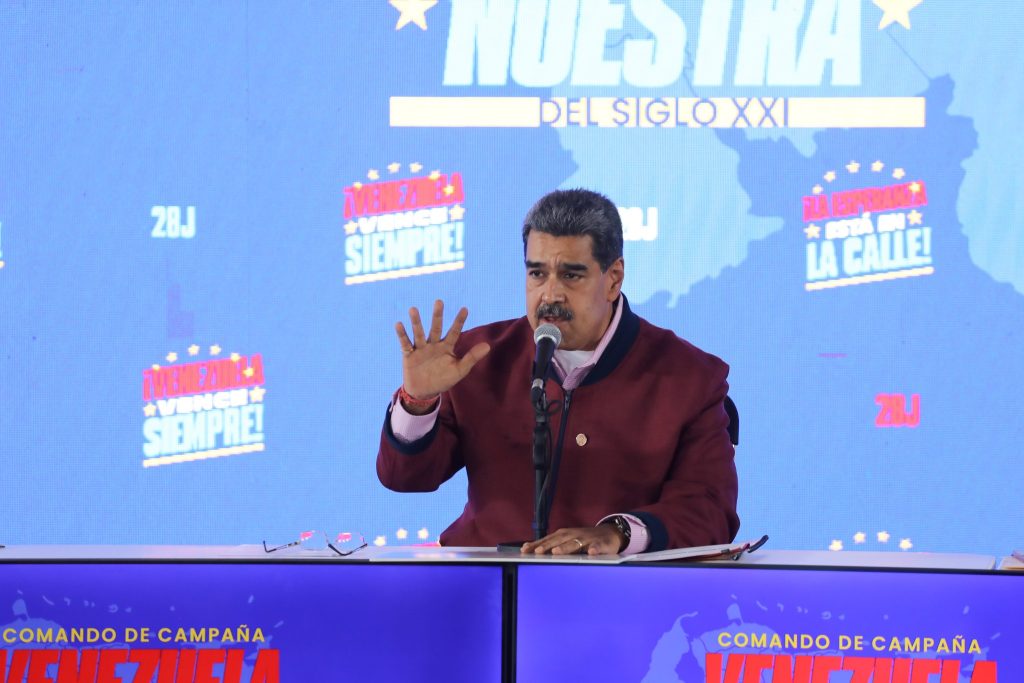
As United States forces struck Caracas and abducted Venezuelan President Nicolas Maduro this weekend in clear disregard of international law, the global response instantly fractured along predictable geopolitical fault lines. Yet, amidst the cacophony of condemnation from the Global South and support from Western Europe, one major voice remained conspicuously muted: New Delhi. In a statement that studiously avoided naming the aggressor, the Ministry of External Affairs (MEA) revealed a growing prioritization of bilateral trade interests over India’s historical role as a principled voice for non-interventionism.
The Deafening Silence
The MEA’s official communiqué on Sunday characterized the military operation merely as a “matter of deep concern” and called upon “all concerned” to resolve issues through dialogue. The statement notably failed to identify the United States or its military as the architect of the chaos.
This omission stands in stark contrast to the reactions from India’s partners in the BRICS bloc. Russia, China, Brazil, and South Africa explicitly condemned the U.S. action as a violation of the UN Charter, with several demanding Maduro’s immediate release and an emergency UN Security Council meeting.
Isolation from the Global South
As the 2026 Chair of BRICS, India’s refusal to align with the bloc’s consensus highlights a significant diplomatic divergence. While fellow emerging economies frame the U.S. strike as an egregious infringement on sovereignty, New Delhi has opted for a “cautious line.” This approach effectively isolates India from the very Global South coalition it claims to lead, signaling a fracture in the alliance’s unity under Indian stewardship.
Profit Over Principle
This diplomatic reticence appears driven by hard economic pragmatism rather than the moralpolitik of the past. Former diplomats suggest the calculation is rooted in high-stakes trade negotiations currently underway with Washington.
India’s stakes in Venezuela have diminished significantly since 2018, when U.S. sanctions forced New Delhi to halt oil imports from what was once a top supplier. With major projects in the San Cristobal and Carabobo oilfields already stalled, the BJP-led government seems unwilling to jeopardize critical commercial ties with the U.S. for the sake of a distant, sanction-hit partner.
A Departure from Doctrine
The contrast with historical precedent is sharp. In 1989, when U.S. forces captured Panamanian leader Manuel Noriega, India’s response was unequivocal. Then-Foreign Minister I.K. Gujral “deplored” the action in Parliament, invoking the UN Charter and the principle of non-intervention.
Today, that principled stance has been replaced by what experts describe as “strategic ambiguity.” This aligns with recent patterns observed in India’s responses to conflicts in Ukraine and Gaza, where official statements decried violence without naming the perpetrators. This shift suggests a doctrine where maintaining equilibrium with major power centers like Washington takes precedence over the non-aligned solidarity that once defined Indian foreign policy.
Related News
Global
Khamenei Vows Resistance to U.S. Pressure as Domestic Unrest Widens
9 months agoSupreme Leader dismisses President Trump’s warning while acknowledging economic crisis driving nationwide protests.
Global
‘ਆਪ੍ਰੇਸ਼ਨ ਐਬਸੋਲਿਊਟ ਰਿਜ਼ੋਲਵ’: CIA ਦੀ ਜਾਸੂਸੀ, ਹਵਾਈ ਹਮਲੇ ਅਤੇ ਫਿਰ ਧਾਵਾ; ਜਾਣੋ ਕਿਵੇਂ ਅੰਜਾਮ ਦਿੱਤੀ ਗਈ ਮਾਦੁਰੋ ਨੂੰ ‘ਅਗਵਾ’ ਕਰਨ ਦੀ ਕਾਰਵਾਈ
9 months agoਨਸ਼ਾ ਤਸਕਰੀ ਨੂੰ ਰੋਕਣ ਦੀ ਆੜ 'ਚ ਰਚੀ ਗਈ ਸਾਜ਼ਿਸ਼ ਵਿੱਚ20 ਵੱਖ-ਵੱਖ ਅੱਡਿਆਂ ਤੋਂ 150 ਹਵਾਈ ਜਹਾਜ਼ਾਂ ਤੇ 15,000 ਫੌਜੀਆਂ ਨੇ ਲਿਆ ਹਿੱਸਾ
Global

ਅਮਰੀਕੀ ਫੌਜ ਵੱਲੋਂ ਵੇਨੇਜ਼ੁਏਲਾ ਦੇ ਰਾਸ਼ਟਰਪਤੀ ਮਾਦੁਰੋ ਅਤੇ ਉਸਦੀ ਪਤਨੀ ਨੂੰ ਕੀਤਾ ਅਗਵਾ
9 months agoਟਰੰਪ ਵੱਲੋਂ ਤੇਲ ਭੰਡਾਰਾਂ 'ਤੇ ਕੰਟਰੋਲ ਕਰਨ ਦਾ ਐਲਾਨ ਅਤੇ ਨਿਊਯਾਰਕ 'ਚ 'ਨਾਰਕੋ-ਟੈਰਰਿਜ਼ਮ' ਤਹਿ ਕੇਸ ਚਲਾਉਣ ਦਾ ਐਲਾਨ
Global
ਮਨਰੇਗਾ ਦੀ ਆਤਮਾ ਨੂੰ ਨੁਕਸਾਨ ਪਹੁੰਚਾ ਰਹੇ ਹਨ ਕੇਂਦਰ ਦੇ ਬਦਲਾਵ: ਕੇ.ਐਮ.ਐਸ.ਸੀ.
9 months agoਨਵੀਂ ਦਿੱਲੀ, 23 ਦਸੰਬਰ (ਏਐਨਆਈ): ਕਿਸਾਨ ਮਜ਼ਦੂਰ ਸੰਘਰਸ਼ ਕਮੇਟੀ ਦੇ ਆਗੂ ਸਤਨਾਮ ਸਿੰਘ ਪੰਨੂ ਨੇ ਕਿਹਾ ਹੈ ਕਿ ਕੇਂਦਰ ਸਰਕਾਰ ਵੱਲੋਂ ਕੀਤੇ ਜਾ ਰਹੇ ਹਾਲੀਆ ਬਦਲਾਵ ਮਨਰੇਗਾ ਦੇ ਮੂਲ ਅਧਿਕਾਰ-ਅਧਾਰਿਤ ਸਵਰੂਪ ਨੂੰ ਕਮਜ਼ੋਰ ਕਰ ਰਹੇ ਹਨ। ਉਨ੍ਹਾਂ ਕਿਹਾ ਕਿ ਇਹ ਯੋਜਨਾ ਪੇਂਡੂ ਮਜ਼ਦੂਰਾਂ ਲਈ ਰੋਜ਼ਗਾਰ ਦੀ ਗਾਰੰਟੀ ਸੀ ਪਰ ਹੁਣ ਇਸਦੀ ਦਿਸ਼ਾ ਬਦਲੀ ਜਾ ਰਹੀ […]
Global
ਮਨਰੇਗਾ ਯੋਜਨਾ ਨੂੰ ਕਮਜ਼ੋਰ ਕਰਨ ਵੱਲ ਕੇਂਦਰ ਦੇ ਕਦਮ: ਕਿਸਾਨ ਮਜ਼ਦੂਰ ਸੰਘਰਸ਼ ਕਮੇਟੀ
9 months agoਨਵੀਂ ਦਿੱਲੀ: ਕਿਸਾਨ ਮਜ਼ਦੂਰ ਸੰਘਰਸ਼ ਕਮੇਟੀ ਨੇ ਦੋਸ਼ ਲਗਾਇਆ ਹੈ ਕਿ ਕੇਂਦਰ ਸਰਕਾਰ ਮਨਰੇਗਾ ਦੇ ਬੁਨਿਆਦੀ ਢਾਂਚੇ ਨੂੰ ਬਦਲ ਕੇ ਇਸਨੂੰ ਕਮਜ਼ੋਰ ਕਰ ਰਹੀ ਹੈ। ਕੇ.ਐਮ.ਐਸ.ਸੀ. ਆਗੂ ਸਤਨਾਮ ਸਿੰਘ ਪੰਨੂ ਨੇ ਕਿਹਾ ਕਿ ਮਨਰੇਗਾ ਗਰੀਬ ਅਤੇ ਪੇਂਡੂ ਪਰਿਵਾਰਾਂ ਲਈ ਰੋਜ਼ੀ-ਰੋਟੀ ਦੀ ਗਾਰੰਟੀ ਸੀ, ਪਰ ਹੁਣ ਇਹ ਆਪਣੇ ਅਸਲ ਮਕਸਦ ਤੋਂ ਭਟਕ ਰਹੀ ਹੈ। ਉਨ੍ਹਾਂ ਦੱਸਿਆ […]
Global

The Sikh diaspora faces renewed challenges in travel and family reunification.
9 months agoAs geopolitical tensions simmer, the Sikh diaspora faces renewed challenges in travel and family reunification. An exclusive report on the ground reality.As geopolitical tensions simmer, the Sikh diaspora faces renewed challenges in travel and family reunification. An exclusive report on the ground reality.As geopolitical tensions simmer, the Sikh diaspora faces renewed challenges in travel and […]