U.S. President Warns of Rapid Tariff Increases on India Over Russian Energy Trade
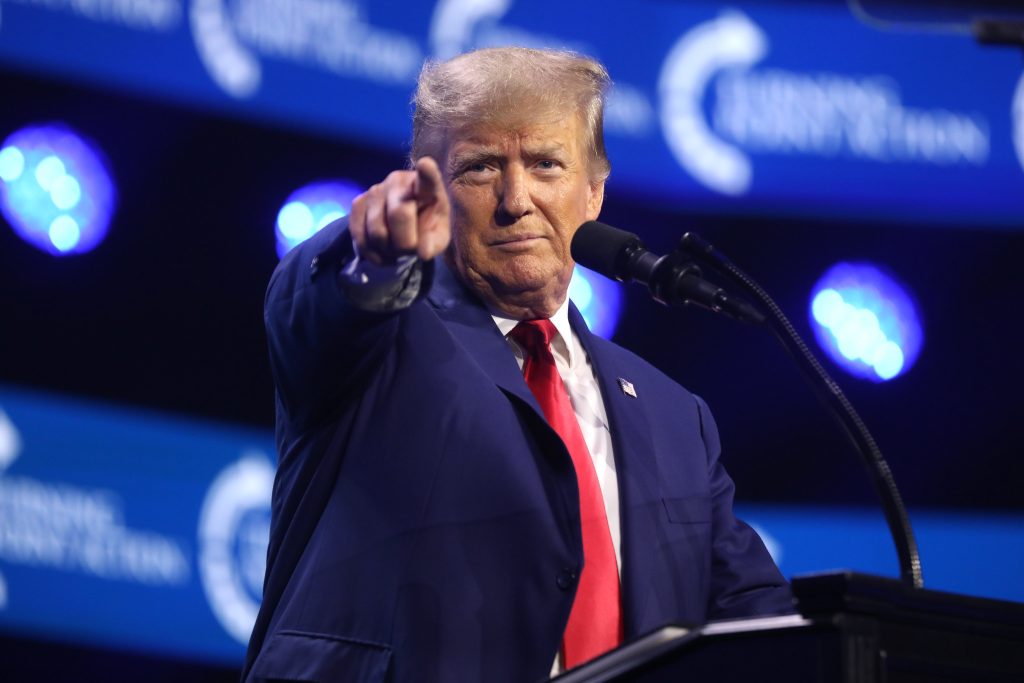
WASHINGTON – U.S. President Donald Trump issued a warning on Sunday that the United States is prepared to implement immediate tariff increases on Indian exports if the country continues its procurement of Russian oil. Speaking to reporters aboard Air Force One, the President emphasized that while he maintains a positive personal relationship with Prime Minister Narendra Modi, the continuation of trade ties with Moscow remains a significant point of contention for his administration.
The threat follows a 25 percent penalty tariff imposed by the U.S. last August, which brought the total duty on most Indian goods to 50 percent. This rate includes an initial 25 percent “reciprocal” tariff applied earlier in the term. The administration has categorized these measures as leverage to force a reduction in India’s reliance on Russian energy, which peaked at over $50 billion in the 2024-2025 financial year.
“They do trade, and we can raise tariffs on them very quickly, and it would be very bad for them,” the President stated during the press gaggle. He further described the Russian economy as “lousy” and indicated that reducing Moscow’s oil revenue remains a primary foreign policy objective.
Accompanying the President, Senator Lindsey Graham highlighted the “Sanctioning Russia Act,” a bipartisan bill currently in the 119th Congress. The proposed legislation would grant the executive branch the authority to impose tariffs ranging from zero to 500 percent on nations that continue to import Russian oil, gas, or uranium.
Senator Graham noted that the threat of high tariffs has already begun to influence Indian procurement. “I was at the Indian ambassador’s house about a month ago, and all he wanted to talk about is how they’re buying less Russian oil,” Graham said, suggesting that the current tariff regime is achieving its intended diplomatic pressure.
In response to the escalating trade friction, New Delhi has mandated that domestic oil refiners provide weekly disclosures of all crude purchases from both Russia and the United States. This data-sharing initiative aims to provide the Prime Minister’s Office with verified figures for ongoing negotiations. Recent data shows a 10 percent year-on-year decline in Russian crude imports as of October 2025, with projections suggesting imports may fall below one million barrels per day.
Despite the 50 percent tariffs, Indian exports to the U.S. reached approximately $50.8 billion between April and November 2025. However, the President’s latest remarks triggered an immediate reaction in Indian financial markets on Monday. The information technology sector saw its index fall by 2.5 percent as investors weighed the risks of further trade barriers and stalled bilateral trade deal negotiations.
Bilateral talks remains deadlocked as India maintains “red lines” regarding its agricultural and dairy sectors. While New Delhi has offered a first tranche of a trade deal in exchange for tariff relief, the U.S. administration has yet to move forward with physical discussions, demanding greater market access for American agricultural products and a complete halt to Russian energy imports.
Related News
India

ਅਮਰੀਕੀ ਅਖਬਾਰ ਵਾਲ ਸਟਰੀਟ ਜਰਨਲ ‘ਚ ਛਪੇ ਲੇਖ ਵਿੱਚ ਇੰਡੀਆ ਅੰਦਰ ਘੱਟ ਗਿਣਤੀਆਂ ਦੀ ਸੁਰੱਖਿਆ ‘ਤੇ ਚੁੱਕੇ ਸਵਾਲ
3 months agoਜ਼ਮੀਨੀ ਹਕੀਕਤ ਇਹ ਹੈ ਕਿ ਭਾਰਤ ਦਾ ਧਰਮ-ਨਿਰਪੱਖ ਢਾਂਚਾ ਕਮਜ਼ੋਰ ਹੋ ਰਿਹਾ ਹੈ ਅਤੇ ਕੱਟੜਪੰਥੀ ਅਨਸਰ ਬਿਨਾਂ ਕਿਸੇ ਡਰ ਦੇ ਘੱਟ ਗਿਣਤੀਆਂ ਨੂੰ ਨਿਸ਼ਾਨਾ ਬਣਾ ਰਹੇ ਹਨ।
India

ਯੂਕਰੇਨ ਜੰਗ ਵਿੱਚ ਰੂਸ ਵੱਲੋਂ ਲੜੇ ਗੋਰਾਇਆ ਵਾਸੀ ਮਨਦੀਪ ਕੁਮਾਰ ਦੀ ਮ੍ਰਿਤਕ ਦੇਹ ਰੂਸ ਤੋਂ ਵਾਪਸ ਪੁੱਜੀ
3 months agoਪਰਿਵਾਰ ਵੱਲੋਂ ਏਜੰਟਾਂ ਦੀ ਗ੍ਰਿਫਤਾਰੀ ਤੱਕ ਸਸਕਾਰ ਕਰਨ ਤੋਂ ਇਨਕਾਰ
India
Centre altering MGNREGA framework, alleges KMSC
3 months agoNew Delhi: The Kisan Mazdoor Sangharsh Committee has accused the Centre of fundamentally altering the structure of MGNREGA. Leader Satnam Singh Pannu said the scheme, introduced in 2005 as a legal right to employment, is being transformed in a way that undermines its original objective. He warned that millions of rural workers would be adversely […]
India

ਕੇਂਦਰ ਸਰਕਾਰ ਮਨਰੇਗਾ ਦੇ ਅਸਲੀ ਮਕਸਦ ਨੂੰ ਨੁਕਸਾਨ ਪਹੁੰਚਾ ਰਹੀ ਹੈ: ਕਿਸਾਨ ਮਜ਼ਦੂਰ ਸੰਘਰਸ਼ ਕਮੇਟੀ
3 months agoਨਵੀਂ ਦਿੱਲੀ, 23 ਦਸੰਬਰ (ਏਐਨਆਈ): ਕਿਸਾਨ ਮਜ਼ਦੂਰ ਸੰਘਰਸ਼ ਕਮੇਟੀ (ਕੇ.ਐਮ.ਐਸ.ਸੀ.) ਦੇ ਆਗੂ ਸਤਨਾਮ ਸਿੰਘ ਪੰਨੂ ਨੇ ਕੇਂਦਰ ਸਰਕਾਰ ’ਤੇ ਗੰਭੀਰ ਦੋਸ਼ ਲਗਾਉਂਦਿਆਂ ਕਿਹਾ ਕਿ ਮਹਾਤਮਾ ਗਾਂਧੀ ਰਾਸ਼ਟਰੀ ਪੇਂਡੂ ਰੁਜ਼ਗਾਰ ਗਰੰਟੀ ਐਕਟ (ਮਨਰੇਗਾ) ਨੂੰ ਇਸਦੇ ਮੂਲ ਉਦੇਸ਼ ਤੋਂ ਦੂਰ ਕੀਤਾ ਜਾ ਰਿਹਾ ਹੈ। ਉਨ੍ਹਾਂ ਦੱਸਿਆ ਕਿ ਇਹ ਯੋਜਨਾ ਪੇਂਡੂ ਅਤੇ ਮਜ਼ਦੂਰ ਵਰਗ ਦੇ ਪਰਿਵਾਰਾਂ ਨੂੰ ਰੋਜ਼ਗਾਰ […]